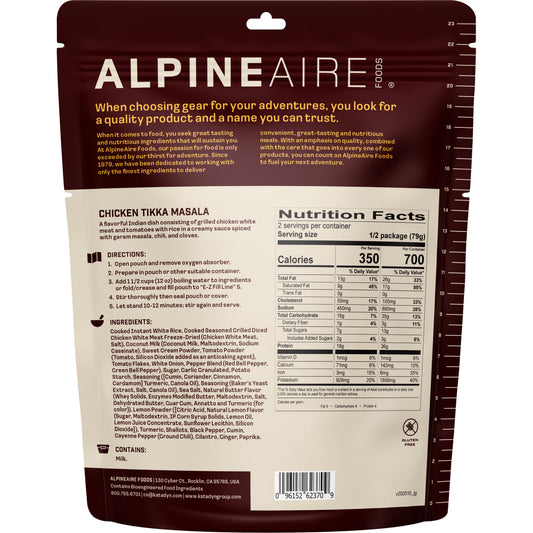
AlpineAire Food for Backpacking: Freeze-Dried Meals Guide
Meal planning is one of the less glamorous parts of trip preparation, but it matters more than most people expect. Running low on energy during a long hike makes a quick, satisfying meal especially welcome at camp. AlpineAire freeze dried food offers a lightweight option for backpackers who want a range of meal choices without carrying fresh ingredients. Appalachian Outfitters carries a selection of AlpineAire foods, including meat-based entrees and vegetarian options, so you can compare meals and plan ahead for your next outdoor trip.
What Makes AlpineAire Different
AlpineAire food has been in production since 1979, which puts the brand among the longer-established names in backpacking food. The approach centers on all-natural ingredients without artificial preservatives, using real freeze-dried meat and vegetables rather than the highly processed alternatives common in cheaper camp food.
The distinction between freeze-dried and dehydrated food is worth understanding when you are shopping. Dehydrated food removes moisture through heat, which can affect texture and flavor. Freeze-drying removes moisture through a vacuum process at low temperatures, which better preserves the original structure of the ingredients. In practical terms, freeze-dried meals tend to rehydrate more fully and hold their texture better than dehydrated alternatives.
AlpineAire meals are also made in the USA, and most carry a five-year shelf life when stored correctly, which makes them a practical option for stocking up before a season of trips or keeping a supply on hand for emergency preparedness.
What's in This Collection
The AlpineAire Foods selection at Appalachian Outfitters focuses on dinner and lunch entrees across a range of flavor profiles. The lineup is varied enough that you can put together a multi-day trip without repeating a meal, and it covers the main dietary categories that backpackers commonly need. For a broader look at freeze-dried and dehydrated options from other brands, the freeze dried backpacking food collection covers additional choices.
Chicken and Meat Entrees
The largest part of the AlpineAire Food lineup at Appalachian Outfitters is protein-forward entrees built around chicken, beef, and pork. The flavor range here is wider than typical camp food: options include Grilled Chicken Jambalaya, Kung Pao Grilled Chicken, Sweet and Sour Grilled Chicken, Spicy Grilled Chicken Curry, and Pasta Primavera with Grilled Chicken on the chicken side, alongside Three Bean Trailblazin' Chili with Beef, Hearty Beef Stew, and Pork Jambalaya for red meat and pork options. The variety in flavors and cuisines, spanning Creole, Asian, and Italian-inspired dishes, makes it easier to maintain appetite on longer trips when meal fatigue is a real factor.
Vegetarian Options
AlpineAire food offers several vegetarian meals in this collection, which is useful both for hikers who do not eat meat and for groups with mixed dietary preferences. Vegetarian options include Wild Mushroom Fettuccine Alfredo, Creamy Broccoli Cheddar Rice, Spicy African Peanut Stew with Sweet Potatoes, Tuscan Style Pasta Roma, Three Bean Chili Pasta, and Mexican Style Veggie Bowl. These are not afterthought options but distinct meals with different flavor profiles and base ingredients.
Gluten-Free Options
Several meals in the AlpineAire lineup are specifically labeled gluten-free, including Grilled Chicken Jambalaya and Pork Jambalaya. If you have a gluten intolerance or are planning a trip with someone who does, check the individual product labels to confirm which options are currently marked GF, as formulations can vary.
How to Choose the Right AlpineAire Meals
Planning meals for a backpacking trip comes down to a few practical decisions: how much food to bring, which meals suit your dietary needs, and how much variety you want over several days on the trail. AlpineAire Foods make packing simpler, and a little planning before you leave helps you get the portions and preparation right when it’s time to eat.
Match Calories to Trip Intensity
On a short overnight or easy weekend trip, most people do not need to calculate calories carefully. On a multi-day backpacking trip with significant elevation gain, calorie needs increase substantially depending on conditions and body weight. AlpineAire Food entrees are designed to provide a satisfying portion for one or two hikers, but on high-output days you may want to supplement with snacks and higher-calorie additions. Check the nutrition label on each product to confirm serving size and calorie content before building a trip menu.
Account for Dietary Needs Early
The time to sort out dietary restrictions is before you leave the trailhead, not at camp. If you or anyone in your group follows a vegetarian diet, needs gluten-free options, or has specific allergies, use those filters when selecting meals rather than assuming standard options will work. When selecting meals for a group, building the shared menu around the most restrictive dietary need is the simplest approach.
Plan Variety Across Multi-Day Trips
Meal fatigue is a real phenomenon on longer trips, particularly when meals start to feel repetitive. AlpineAire Food's range of flavor profiles, spanning Asian, Italian, American comfort food, and global-inspired dishes, makes it easier to build a varied menu. A practical approach: plan your dinner rotation before the trip rather than grabbing whatever is available, and make sure no two consecutive dinners share the same base flavor profile. Pair your meal selection with the right backpacking pack to manage total food weight across trip length.
How to Prepare AlpineAire Meals
AlpineAire freeze dried meals are designed to be prepared directly in the pouch, which means less cleanup and no need to carry a separate pot for eating. The standard process is consistent across the lineup:
Open the pouch and remove any oxygen absorber or desiccant packet if present. Add boiling water to the E-Z fill line marked inside the pouch. Each meal has its own fill line, so no separate measuring cup is needed. Seal the pouch and let it stand for the time specified on that meal's packaging, as wait times vary between products. Stir once during the wait if the instructions call for it, then eat directly from the pouch.
The exact water volume and wait time differ by meal. Always follow the instructions printed on the specific package rather than applying a single number across the full lineup.
A reliable camp stove is the most important piece of supporting gear for preparing these meals. You need a consistent boil to fully rehydrate the ingredients; lukewarm water produces poor results. In cold conditions or at altitude, allow extra wait time since water boils at a lower temperature and insulation matters more. Wrapping the sealed pouch in a jacket or sleeping bag during the wait can help maintain temperature.
Backcountry water sources need to be treated before use. Boiling is an effective treatment method, and since you are already heating water for the meal, timing works naturally. The water treatment collection covers filtration, chemical, and UV treatment options for sourcing clean water on trail.
Storage and Shelf Life
AlpineAire freeze dried meals carry a five-year shelf life when stored under appropriate conditions. The key factors are keeping pouches away from heat, humidity, and direct sunlight. A cool, dry pantry or storage room is suitable for home storage between trips. Avoid leaving meals in a hot car for extended periods, as heat degrades the pouch material and accelerates moisture absorption.
For trip storage, the sealed foil pouches hold up well in a backpack without additional protection under normal conditions. If you are concerned about punctures from sharp objects in a loaded pack, storing meals in a dedicated food storage bag or container adds a protective layer and can also help with bear canister organization where required.
Once opened, any unfinished portion should be consumed promptly, as the sealed pouch is what maintains the long shelf life. The foil pouches are not resealable in a meaningful way after full opening.
Why Buy from Appalachian Outfitters
Choosing the right meals for a trip is easier when you can see the full selection and ask questions about what is in stock before you commit. Appalachian Outfitters carries AlpineAire food alongside the broader gear a trip requires, including stoves, water treatment, and backpacking packs, so you can sort out your full kit without juggling multiple orders or sources.
If you are unsure which AlpineAire meals to start with, visiting the store lets you look at the actual packaging and discuss options with staff before buying. For a first trip, picking two or three different flavor profiles rather than multiples of the same meal gives you a better sense of what works for you before stocking up.
Frequently Asked Questions
What is AlpineAire food?
AlpineAire food is a range of freeze-dried meals designed for outdoor use, including backpacking and camping. The meals are prepared by adding water according to the instructions on each package.
How long does AlpineAire freeze dried food last?
Shelf life depends on the product and its storage conditions. Check the date and storage guidance on the package, and keep unopened meals in a cool, dry place away from heat and direct sunlight.
Do AlpineAire meals have vegetarian options?
Yes. The collection at Appalachian Outfitters includes several vegetarian meals, including Wild Mushroom Fettuccine Alfredo, Creamy Broccoli Cheddar Rice, Spicy African Peanut Stew with Sweet Potatoes, and others. Check current availability in the product grid.
Are any AlpineAire meals gluten-free?
Several meals in the lineup are labeled gluten-free, including both Jambalaya options. Always confirm the GF designation on the current product label, as formulations can change.
How much water do I need to prepare an AlpineAire meal?
Each AlpineAire pouch has an E-Z fill line inside that shows exactly how much water to add for that specific meal. The amount varies between products, so use the line on the package rather than a fixed measurement. Boiling water is required for proper rehydration.
Can I prepare AlpineAire meals without a stove?
Technically possible with very hot water from a thermos, but results are inconsistent. A full rolling boil produces the best rehydration. A reliable camp stove is the practical standard for preparing these meals in the backcountry.
How does freeze-dried food differ from dehydrated food?
Freeze-drying removes moisture at low temperature through a vacuum process, better preserving the texture and flavor of the original ingredients. Dehydrated food uses heat, which can affect texture more significantly. Freeze-dried meals like AlpineAire's generally rehydrate more fully than dehydrated alternatives.

 Sold out

 Sold out

 Sold out

 Sold out